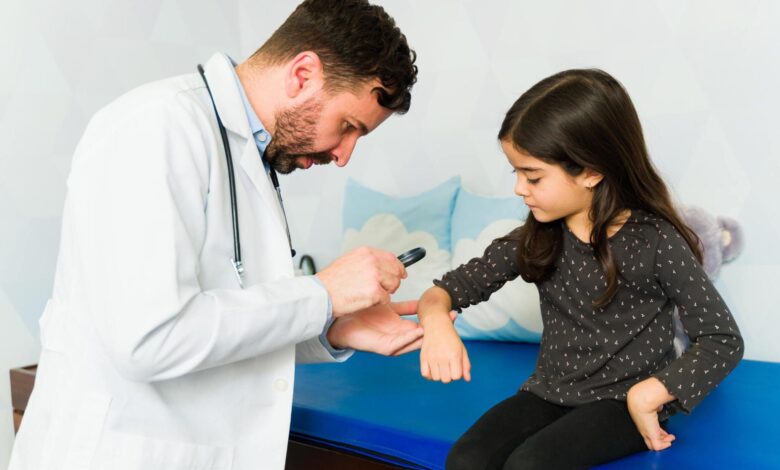
It is natural for parents to manage minor childhood illnesses at home. Simple remedies usually help with mild fever, cold, or stomach upset. However, not every symptom should be handled without medical guidance. Children’s bodies react differently from adults, and certain signs require timely professional care.
Understanding when self-treatment is no longer enough can protect a child’s health, prevent complications, and ensure proper growth and development. This article explains the key situations where consulting a pediatrician is the safer and more effective choice.
Why Self-Treating Isn’t Always Safe for Children
Children, especially infants and toddlers, cannot always explain what they are feeling. Their symptoms may worsen quickly, and conditions that seem minor can escalate if ignored.
Self-treating may:
- Mask serious symptoms
- Delay diagnosis
- Lead to incorrect medication dosing
- Increase the risk of complications
Knowing the limits of home care is an important part of responsible parenting.
When Mild Symptoms Can Be Managed at Home
Some conditions can usually be managed with basic care, including:
- Mild cold without fever
- Temporary stomach upset
- Minor scrapes or bruises
- Occasional low-grade fever responding to medication
Even in these cases, parents should closely observe the child and be ready to seek medical advice if symptoms persist or worsen.
Warning Signs That Need a Pediatrician’s Evaluation
Fever That Is High or Persistent
A fever may be a sign of infection. Parents should consult a pediatrician if:
- Fever lasts more than 48 hours
- The temperature is very high
- Fever occurs in infants under three months
- Fever does not respond to medication
Persistent fever may indicate bacterial infection or other underlying conditions.
Difficulty Breathing or Rapid Breathing
Breathing problems should never be self-treated. Warning signs include:
- Fast or labored breathing
- Wheezing or noisy breathing
- Chest retractions
- Bluish lips or fingertips
These symptoms require immediate medical evaluation.
Poor Feeding or Refusal to Eat
If a child refuses to feed or shows reduced appetite for an extended period, it may signal illness, dehydration, or digestive issues. In infants, feeding difficulty can quickly affect growth and hydration.
Persistent Vomiting or Diarrhea
Occasional vomiting or loose stools may not be serious, but medical care is needed when:
- Symptoms last more than a day
- Signs of dehydration appear
- Blood is present in vomit or stool
- The child becomes lethargic
Young children can become dehydrated rapidly.
Symptoms That Should Never Be Ignored
Unusual Drowsiness or Irritability
Excessive sleepiness, confusion, or inconsolable crying may indicate neurological or metabolic problems and should be evaluated promptly.
Rash With Fever
Some rashes are harmless, but a rash combined with fever may indicate infections that require medical attention.
Delayed Development or Regression
If a child:
- Misses developmental milestones
- Loses previously acquired skills
- Shows unusual behavior changes
A pediatric evaluation is essential to identify underlying concerns early.
Medication Use: When Self-Treating Can Be Risky
Incorrect Dosing
Children require age- and weight-based medication dosing. Incorrect doses may lead to side effects or reduced effectiveness.
Overuse of Antibiotics
Antibiotics should never be used without medical advice. Unnecessary use can cause resistance and side effects without treating the actual illness.
Chronic or Recurrent Symptoms
Children with recurring symptoms, such as:
- Repeated cough or wheezing
- Frequent stomach pain
- Recurrent infections
need evaluation to identify allergies, asthma, nutritional issues, or immune-related concerns.
When Injuries Require Medical Attention
Minor injuries can be managed at home, but seek medical care if:
- There is deep bleeding
- The child cannot move a limb
- Swelling or pain worsens
- Head injury is involved
Prompt evaluation helps rule out fractures or internal injury.
The Role of Preventive Pediatric Care
Pediatricians do more than treat illness. Regular visits help with:
- Growth and developmental monitoring
- Vaccination schedules
- Nutrition guidance
- Early detection of health issues
Preventive care reduces the need for emergency treatment later.
Choosing Timely Pediatric Care
Parents usually hesitate to consult a doctor, worrying they may be overreacting. However, pediatricians encourage early visits when something feels “not quite right.”
In cities such as Ahmedabad, parents facing uncertainty about symptoms usually consult a Pediatrician in Ahmedabad to ensure accurate diagnosis, safe treatment, and proper follow-up for their child’s health.
How Pediatricians Support Parents
Pediatricians provide:
- Clear guidance on symptom management
- Safe medication recommendations
- Reassurance when symptoms are mild
- Early intervention when needed
This partnership helps parents feel confident and informed.
FAQs
How long should I wait before seeing a pediatrician?
If symptoms persist beyond 24 to 48 hours, worsen, or affect feeding and activity, medical evaluation is recommended.
Is it okay to give home remedies?
Some home remedies are safe, but they should not replace medical care when warning signs are present.
When should infants be seen immediately?
Any fever, feeding difficulty, breathing problem, or unusual behavior in young infants needs prompt evaluation.
Can teleconsultation replace clinic visits?
Teleconsultation is useful for guidance, but in-person visits are necessary for physical examination and tests.
Am I overreacting by visiting the pediatrician early?
No. Early consultation usually prevents complications and provides reassurance.
Conclusion
While self-treatment may be suitable for minor, short-lived issues, many childhood symptoms require professional evaluation. Fever, breathing difficulty, feeding problems, persistent vomiting, unusual behavior, and developmental concerns should never be ignored.
Recognizing when to consult a pediatrician helps ensure timely diagnosis, safe treatment, and healthy growth. When in doubt, seeking medical advice is always the safest choice for a child’s well-being.