Wayne Mardle: The Unstoppable Rise of a Darts Icon — From Pub Boards to PDC Glory
Discover how “Hawaii 501” became one of darts’ most vibrant legends and left a lasting mark on the sport.

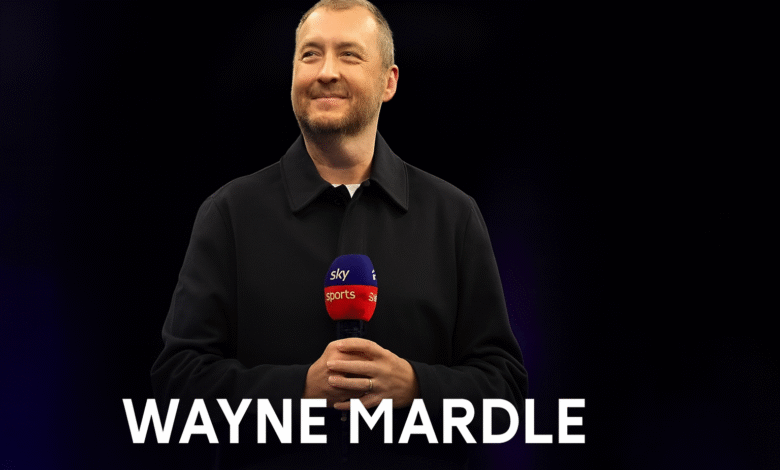
Wayne Mardle is a name synonymous with flair, fun, and formidable skill in the world of darts. For many fans, he represents the moment when darts shifted from being a dim-lit pub pastime to an electrifying, global sporting phenomenon. Known for his tell-tale Hawaiian shirts and magnetic personality, Mardle’s journey from early pub tournaments to the professional circuit and then to television commentary is a testament to perseverance, showmanship, and raw talent.
In this article, we take a deep dive into Mardle’s life — his beginnings, his rise in the professional darts world, his challenges, his comeback as a media figure, and the legacy he continues to build. By understanding his story, you’ll see why Wayne Mardle remains a cherished icon in the sport.
Quick Bio
| Field | Details |
| Full Name | Wayne William Mardle |
| Date of Birth | 10 May 1973 |
| Place of Birth | London, England |
| Nickname | “Hawaii 501” |
| Roles | Former professional darts player, current darts commentator and pundit |
| Known For | Passionate playing style, flamboyant outfits, deep tournament runs, engaging commentary |
Early Life and Introduction to Darts
Wayne Mardle was born on 10 May 1973 in London, England. Growing up in a working-class neighborhood, his early years were grounded in ordinary surroundings. But it wasn’t long before darts entered his life — and changed it forever. At around age 11, he began playing darts under the guidance of his father. Those first throws in a quiet living room ignited a passion that would define his future.
Only two weeks after picking up a dart for the first time, young Wayne achieved a 180 — the maximum score possible with three darts. That early achievement wasn’t just a random fluke; it hinted at a natural talent, precision, and composure well beyond his years. By the time he reached adolescence, he was already winning local pub tournaments, including a memorable first win on his 13th birthday. It was clear: darts for Mardle was not a casual pastime — it was destiny in the making.
Professional Darts Career
The BDO Years
Mardle’s first venture into professional darts came via the British Darts Organisation (BDO). For nearly a decade, from the early 1990s until 2002, he honed his skills and built his reputation in BDO events. Those years were formative: every match added experience, sharpened technique, and deepened his competitive resolve. By competing regularly, he learned to handle pressure — a quality essential for future success in high-stakes tournaments.
But while he showed promise, major titles eluded him during his BDO tenure. Still, his consistency and growth caught attention. For a player whose early experience had been in smoky pubs and small tournaments, Mardle’s transition to televised, high-profile matches was both a challenge and an opportunity — one he was preparing to seize.
The Switch to PDC and Breakthrough
In 2002, Mardle made a bold decision to join the Professional Darts Corporation (PDC), signaling his ambition to compete at the highest level. That move marked the beginning of a new chapter — one filled with deeper competition, bigger audiences, and higher stakes.
Soon after joining PDC tournaments, Mardle forged a reputation as a player capable of deep runs. Over the following years he reached the semi-finals of the PDC World Championship four times (2004, 2005, 2006, and 2008). Although a world title never came, these repeated appearances underlined his resilience and consistency. Fans began to recognize him as a perennial contender — someone who, on his day, could challenge even the very best.
Major Finals and Consistent Performances
Beyond the World Championship, Mardle also made his mark on other major PDC events. He reached the final of the prestigious World Matchplay in 2003, and was runner-up twice at the Las Vegas Desert Classic (2004 and 2005). On the Pro Tour circuit — a series of ranking events outside the biggest televised tournaments — he also captured several title wins, reflecting his skill across varied competition formats.
But equally important to his record was how he played. Mardle became famous for his flamboyant walking-on outfits, flamboyant energy, and even dancing between legs. His nickname, “Hawaii 501,” originated when he fulfilled a bet by wearing a Hawaiian shirt on stage — and never took it off again. That signature style, combined with impressive scoring and steely nerves, made Mardle a fan favourite across the crowds.
Challenges, Decline, and Turning Point
While Mardle’s career was built on brilliance and fanfare, he also endured setbacks. As competition in PDC intensified, maintaining top form became tougher. The pressure of televised matches, high expectations, and frequent tournaments tested even experienced players.
By 2011, after nearly a decade in PDC and countless highs and lows, Mardle decided to step away from active competition. He recognized that the grind, the travel, and the mental toll of professional darts were exacting a heavy price. But rather than fading away — he chose to evolve, reinventing himself for a new chapter.
Transition to Commentary and Media
Leaving the oche did not mean leaving darts altogether. Mardle smoothly transitioned into commentary and punditry, leveraging his deep knowledge, candid personality, and charismatic delivery to connect with fans in a new way. On television broadcasts and live events, he offered analysis, shared anecdotes from his playing days, and provided expert commentary on rising stars and veteran players alike.
This phase of his career revealed a different kind of talent — one rooted not in accuracy on the dartboard, but in communication, insight, and entertainment. Many fans argue that Mardle’s contributions behind the microphone have helped modernize darts broadcasts and make them more engaging for new audiences.
Legacy: Why Wayne Mardle Remains a Darts Legend
Wayne Mardle’s legacy isn’t defined solely by trophies or world championships — impressive though his record is. Instead, his greatest achievement lies in transformation: he helped change how people perceive darts.
For years, darts had a reputation as a pub-game: casual, local, somewhat niche. Mardle helped push it into the mainstream, combining serious skill with theatrical flair. His “Hawaii 501” persona, stage-presence, and openly magnetic connection with fans helped build a bridge between the sport’s gritty origins and its modern, televised face.
Moreover, his ability to reinvent himself — from top professional to respected commentator — demonstrates resilience, adaptability, and dedication. For young players or retiring pros, Mardle’s journey shows that stepping away from competition doesn’t mean saying goodbye to influence or impact.
Challenges and the Human Side
Naturally, Mardle’s journey wasn’t always smooth. The pressure of repeated near-misses at major titles could weigh heavily on any athlete’s mindset. Learning to cope with expectations, dealing with defeat after promising runs, and managing the physical and mental strain of a demanding calendar would challenge even the strongest competitors.
Yet, despite these difficulties, Mardle never lost his passion or his personality. Even after retirement from active play, he brought humour, insight, and authenticity to his commentary — refusing to ghost the game or fade from public view. In this sense, one of his greatest strengths has always been honesty: acknowledging shortcomings, celebrating victories, and embracing the rollercoaster that is professional sport.
Conclusion
Wayne Mardle is more than a former darts pro — he is a symbol of transformation and tenacity. From humble beginnings in pub tournaments to deep runs in the PDC circuit, to reinventing himself as a leading voice in darts media, his journey embodies ambition, passion, and reinvention.
He may not have conquered the coveted world title, but through performance, personality, and presence, Mardle left an indelible imprint on darts. Whether on the stage in a bright Hawaiian shirt or behind a microphone analyzing the next big match, he continues to elevate the sport and inspire fans worldwide. In the tapestry of darts history, “Hawaii 501” shines as a thread of charisma, courage, and character.
Frequently Asked Questions
Q: What is Wayne Mardle’s real name?
A: His real name is Wayne William Mardle.
Q: Why is he called “Hawaii 501”?
A: The nickname comes from his decision — initially a bet — to wear bright Hawaiian shirts on stage, combined with “501,” the standard starting score in a darts leg. That style stuck and became part of his identity.
Q: Did Wayne Mardle ever win a world championship?
A: No. While he reached the semi-finals of the PDC World Championship multiple times, he never claimed the world title.
Q: What does Wayne Mardle do today?
A: He works as a darts commentator and pundit, offering analysis and insight during tournaments. His commentary career has allowed him to remain a significant figure in the darts world even after retiring from competition.
Q: Is Wayne Mardle considered a legend in darts?
A: Yes. Although he never won the biggest title, his consistent performances, stage-presence, charisma, and later media contributions have earned him a reputation as one of the sport’s most beloved and influential personalities.