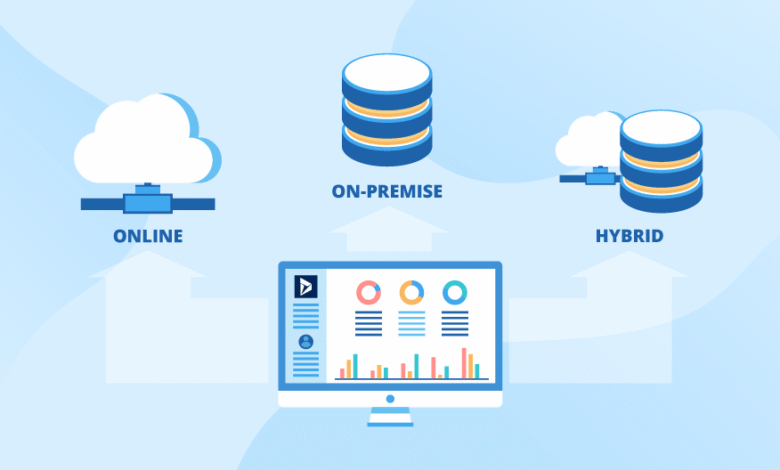
When organizations evaluate Microsoft Dynamics CRM, pricing is often the first concern. However, licensing is only part of the equation. Deployment choice plays an equally critical role in determining the solution’s overall cost, complexity, and long-term value.
Whether a business adopts a cloud-based deployment or chooses an on-premises model, each option introduces a different financial and operational structure. Understanding these differences is essential for making a decision that aligns with both budget expectations and business strategy.
This blog examines how cloud and on-premises deployments compare, helping organizations assess cost implications while aligning the platform with Customer Insights and Analytics, infrastructure readiness, and long-term growth objectives.
Licensing and Cost Structure: Predictable vs. Capital-Intensive
One of the clearest differences between cloud and on-premises deployments is how costs are incurred.
Cloud deployment follows a subscription-based model, where organizations pay a recurring fee per user. This fee typically covers hosting, security, system updates, and platform support. The result is predictable operating expenses and easier financial planning, particularly for businesses looking to avoid heavy upfront investment.
On-premises deployment, by contrast, often requires higher initial spending. Beyond licensing, organizations must account for servers, storage, backup systems, and the skilled personnel needed to manage them. These capital expenses can complicate budgeting and increase total cost of ownership over time.
Infrastructure and Maintenance: Outsourced vs. In-House Responsibility
With cloud deployment, infrastructure management is handled by Microsoft through Azure. High availability, disaster recovery, performance optimization, and system updates are built into the service. Internal IT teams can focus on strategic initiatives instead of day-to-day platform maintenance.
On-premises environments place full responsibility on the organization. Hardware procurement, system monitoring, security patching, and upgrades must be managed internally. This not only increases operational costs but also introduces additional risk if resources or expertise are limited.
From a financial perspective, cloud deployment consolidates infrastructure and maintenance into a single recurring cost, while on-premises environments require continuous investment in both technology and people.
Scalability and Flexibility: Instant vs. Manual Expansion
Scalability is another major differentiator between deployment models. Cloud environments allow organizations to scale users, storage, and functionality quickly, keeping the Dynamics 365 Customer Engagement price aligned with actual usage as business needs change.
On-premises systems require careful capacity planning. Expanding the system may involve hardware upgrades, additional licenses, and extended deployment timelines. This slower response to change can limit agility and increase operational friction during periods of growth or restructuring.
Security and Compliance: Shared Responsibility vs. Full Ownership
Cloud deployments benefit from Microsoft’s ongoing investment in security, compliance, and regulatory certifications. Built-in protections, automated updates, and alignment with global standards help reduce risk and administrative overhead.
On-premises deployment offers greater control over data residency and system configuration, which may be necessary for organizations in highly regulated industries. However, this control comes with increased responsibility and cost, as security and compliance become entirely internal obligations.
Upgrade Cycle: Continuous Innovation vs. Manual Effort
Cloud users benefit from automatic updates that introduce new features, performance enhancements, and security improvements regularly. This ensures the platform remains current without disrupting business operations.
On-premises environments require manual upgrades, which can be time-consuming, costly, and resource-intensive. As a result, some organizations delay updates, increasing technical debt and reducing the overall return on investment.
Evaluating Business Value Beyond Deployment
Both deployment models can deliver value, but cloud adoption often provides a stronger balance of cost efficiency, flexibility, and innovation. Faster implementation, reduced infrastructure management, and ongoing enhancements enable organizations to achieve results sooner and adapt more easily to market changes.
On-premises deployment remains a viable option for businesses with strict compliance requirements or existing infrastructure investments. However, these benefits must be weighed against higher long-term costs and operational complexity.
Final Thoughts: Making a Strategic Deployment Decision
Choosing between cloud and on-premises deployment is not simply a pricing decision. It is a strategic choice that affects scalability, security, operational effort, and long-term business agility.
Organizations seeking predictable costs, rapid deployment, and continuous innovation often find cloud deployment to be the stronger option. Those requiring complete control over infrastructure may still opt for on-premises deployment, with the understanding that it entails greater responsibility and expense.
Aligning deployment decisions with business objectives and consulting an experienced Dynamics partner can help uncover hidden costs, reduce risk, and ensure the CRM investment delivers sustainable value over time.