Andy Hug: The Legendary Blue-Eyed Samurai Who Redefined Kickboxing
From Kyokushin Roots to K-1 Glory, the Inspiring and Tragic Journey of a Combat Sports Icon

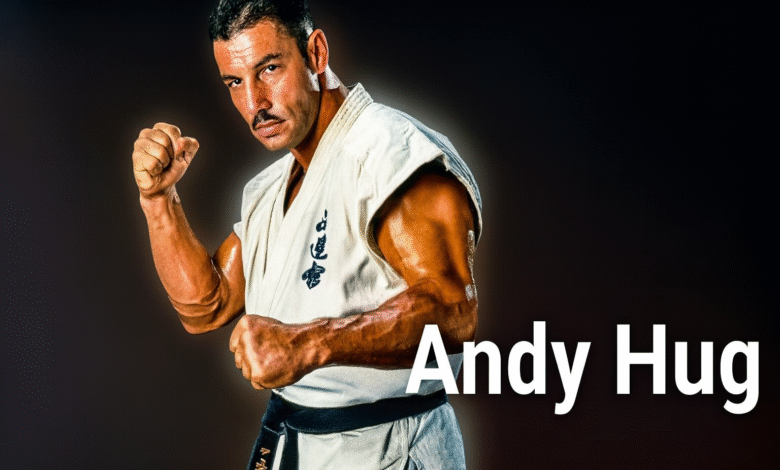
Andy Hug remains one of the most respected and emotionally remembered figures in the history of full-contact martial arts. Known worldwide as the “Blue-Eyed Samurai,” he combined discipline, creativity, and relentless determination to conquer the toughest stages of karate and kickboxing. His rise from a difficult childhood in Switzerland to becoming a K-1 World Grand Prix Champion is a story of strength and sacrifice.
At the same time, Andy Hug’s life also carries a tragic side. Despite reaching the peak of global fame, his career and life were cut short at a young age. This article explores Andy Hug’s complete biography, career achievements, struggles, legacy, and lasting influence, written in a clear, natural, and search-friendly way for both readers and search engines.
Quick Bio
| Field | Details |
| Full Name | Andreas “Andy” Hug |
| Date of Birth | September 7, 1964 |
| Birthplace | Zurich, Switzerland |
| Nationality | Swiss |
| Ethnicity | European (Swiss and German descent) |
| Profession | Karateka, Professional Kickboxer |
| Famous For | K-1 World Grand Prix Champion (1996) |
| Nicknames | Blue-Eyed Samurai, Iron Man |
| Date of Death | August 24, 2000 |
| Age at Death | 35 years |
Early Life and Background
Andy Hug was born in Zurich, Switzerland, into a life that began with hardship rather than privilege. Due to family difficulties, he spent part of his early childhood in an orphanage before being raised by his grandparents. This unstable beginning shaped his strong personality and emotional depth.
As a young boy, Andy Hug was physically active and passionate about sports. He played football at a competitive level before discovering martial arts. Experiences with bullying pushed him toward karate, where he found discipline, confidence, and a sense of purpose that would define his future.
Education and Martial Arts Foundation
There is limited public information about Andy Hug’s formal education, as his life became centered on athletic training from an early age. His real education came from the dojo, where he trained rigorously in Kyokushin karate.
Under the strict philosophy of full-contact karate, Andy Hug developed mental toughness and physical endurance. This foundation became a key reason for his later success, as Kyokushin karate demanded realism, respect, and resilience.
Start of Career in Kyokushin Karate
Andy Hug entered competitive Kyokushin karate as a teenager and quickly gained attention for his athletic kicks and fearless fighting style. Unlike many European fighters of his time, he managed to compete successfully against elite Japanese practitioners.
Although he reached the finals of major Kyokushin tournaments, he also faced disappointment by not winning the ultimate world title. This was a negative turning point, but it pushed him to seek new challenges instead of giving up.
Transition to Seidokaikan and Professional Fighting
In the early 1990s, Andy Hug made a bold career decision by switching from Kyokushin to Seidokaikan karate. This move opened the door to Japan’s emerging professional kickboxing scene.
His victory at the Seidokaikan Karate World Cup proved he could adapt and dominate under different rule sets. This success directly led to his entry into K-1, where his international fame truly exploded.
Andy Hug in K-1: Career Overview
Andy Hug became a central figure in K-1 during the 1990s. Competing against larger and heavier opponents, he relied on speed, timing, and technique rather than brute strength.
His greatest achievement came in 1996 when he won the K-1 World Grand Prix, defeating top heavyweights and cementing his place among the sport’s legends. In later years, he reached the finals again, proving consistent excellence even as competition intensified.
Fighting Style and Signature Techniques
Andy Hug was famous for his creative and devastating kicking techniques. His axe kick and spinning low heel kick, often called the “Hug Tornado,” became iconic in kickboxing history.
Positively, his style brought artistry and innovation to heavyweight fighting. Negatively, his reliance on kicks sometimes left him vulnerable to aggressive punchers, making some of his bouts extremely risky and dramatic.
Personal Life: Family and Relationships
Andy Hug married Ilona Hug in the early 1990s, and the couple had a son named Seya. Although his professional life flourished, personal challenges eventually led to divorce.
Despite fame, Andy Hug was known as humble and respectful. In Japan, he built a deep emotional bond with fans, learning the language and embracing the culture with sincerity.
Net Worth, Salary, and Source of Income
Exact figures for Andy Hug’s net worth and salary are not officially documented. However, during his peak years, he was considered one of the highest-paid kickboxers in the world.
His income came from fight purses, championship bonuses, sponsorships, television appearances, and merchandise. While he earned significant money, his wealth was tied closely to his active fighting career.
Illness and Untimely Death
In August 2000, Andy Hug suddenly fell ill with severe symptoms. He was diagnosed with acute leukemia, a shocking development that ended his career overnight.
Despite immediate medical care, he passed away at just 35 years old. His death deeply shocked the combat sports world and marked one of the most tragic losses in kickboxing history.
Legacy and Global Impact
Andy Hug’s legacy goes far beyond titles and trophies. He inspired countless fighters to believe that technique and discipline could overcome size and power.
In Japan, he remains a cultural icon. Memorial events and tributes continue to honor his contribution, proving that his influence still lives on in modern kickboxing and karate.
Conclusion
Andy Hug’s life is a powerful mix of triumph and tragedy. He rose from a difficult childhood to become a world champion, earning global respect through hard work and humility. At the same time, his early death reminds us of life’s unpredictability.
Today, Andy Hug is remembered not only as a champion but as a symbol of perseverance, innovation, and heart. His name continues to inspire martial artists and fans around the world.
Frequently Asked Questions (FAQ)
1. Who was Andy Hug?
Andy Hug was a Swiss martial artist and professional kickboxer best known for his success in K-1 and his background in Kyokushin karate. He became a global icon due to his unique fighting style and discipline.
2. Why was Andy Hug called the Blue-Eyed Samurai?
Andy Hug earned the nickname “Blue-Eyed Samurai” because of his European appearance combined with his deep respect for Japanese culture, martial arts philosophy, and fighting spirit.
3. What martial arts did Andy Hug practice?
Andy Hug practiced Kyokushin karate, Seidokaikan karate, and professional kickboxing. His strong karate foundation played a major role in his success in K-1.
4. What was Andy Hug’s biggest career achievement?
His greatest achievement was winning the K-1 World Grand Prix in 1996, one of the most prestigious titles in heavyweight kickboxing.
5. What fighting style was Andy Hug known for?
Andy Hug was known for his powerful and creative kicking techniques, especially his axe kick and spinning low kick, which became his signature weapons.
6. Was Andy Hug married and did he have children?
Yes, Andy Hug was married and had one son named Seya Hug. His marriage later ended in divorce before his death.
7. How old was Andy Hug when he died?
Andy Hug passed away at the age of 35, which deeply shocked the combat sports world.
8. What caused Andy Hug’s death?
Andy Hug died from acute leukemia, a serious illness that progressed very quickly and ended his life in 2000.
9. Why is Andy Hug still remembered today?
Andy Hug is remembered for his sportsmanship, discipline, and influence on kickboxing and karate. His legacy continues to inspire fighters worldwide.
10. What impact did Andy Hug have on martial arts?
Andy Hug helped bridge traditional karate and modern kickboxing, proving that technique, respect, and mental strength could succeed at the highest professional level.