Bob Beamon: The Legendary Jump That Redefined Athletics
From Humble Beginnings to Olympic Glory – The Life, Career, and Legacy of an Iconic Athlete

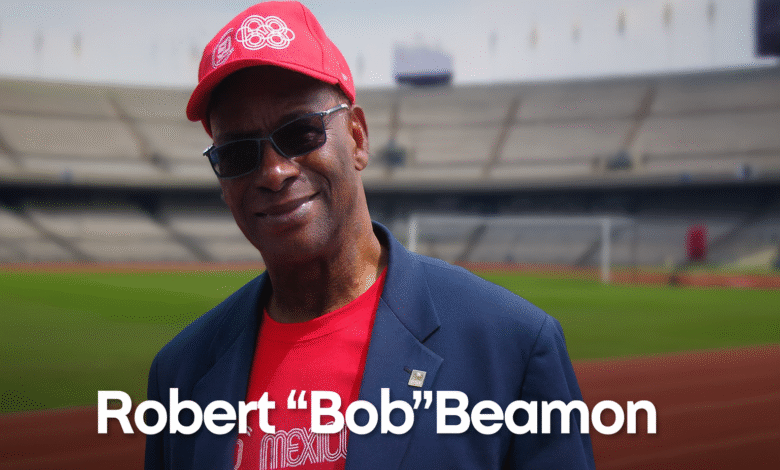
Bob Beamon, one of the most celebrated athletes in track and field history, is known for his record-breaking long jump at the 1968 Olympics in Mexico City. His life story is not just about athletic achievement; it is a tale of perseverance, determination, and overcoming adversity. From growing up orphaned in Queens, New York, to redefining the limits of human performance, Bob Beamon’s journey is a testament to the power of talent, hard work, and focus. This article explores his life, career, achievements, and lasting legacy in detail.
Beamon’s story is both inspiring and humbling. He achieved a feat many thought impossible, yet he faced personal challenges and societal obstacles along the way. His long jump record was so extraordinary that it introduced the term “Beamonesque” into the sporting world, symbolizing a performance that seems almost unreal. While celebrated for his accomplishments, his life also reminds us that extraordinary success often comes from confronting and overcoming significant challenges.
Quick Bio
| Attribute | Details |
| Full Name | Robert “Bob” Beamon |
| Date of Birth | August 29, 1946 |
| Age | 79 years (as of 2025) |
| Birthplace | South Jamaica, Queens, New York, USA |
| Nationality | American |
| Ethnicity | African-American |
| Education | Adelphi University, degree in Sociology |
| Sport | Athletics (Long Jump, Triple Jump) |
| Major Achievement | 8.90m Olympic Long Jump, 1968 |
| Spouse | Milana Walter Beamon (as per available sources) |
| Children | Two daughters |
| Career | Track and field athlete, motivational speaker, artist, coach |
Early Life and Education
Bob Beamon’s early life was marked by hardship. Born in 1946, he was orphaned before his first birthday and raised by his grandmother in the challenging environment of South Jamaica, Queens. Despite these circumstances, Beamon displayed athletic potential from a young age, excelling in basketball and track at Jamaica High School.
His coach, Larry Ellis, recognized Beamon’s natural talent in jumping events, particularly the long jump and triple jump. This mentorship helped shape his future athletic career, guiding him through high school competitions and college opportunities. Beamon later attended North Carolina A&T and University of Texas at El Paso before completing his degree in Sociology at Adelphi University in 1972. His education provided him with a foundation to understand social dynamics and inspire youth through motivational work later in life.
Athletic Career: The Rise of a Legend
Early Competitions and National Recognition
Bob Beamon began his competitive athletics career in high school, setting a national triple jump record in 1965. His performance drew attention, earning him scholarships and invitations to prestigious competitions. At college, he continued to dominate the track, establishing himself as a rising star in American athletics.
Beamon’s early achievements reflected his exceptional natural ability and disciplined approach to training. His consistent performances in collegiate competitions made him a serious contender for national and international events. Despite the challenges of growing up in poverty, Beamon’s talent shone through, demonstrating that determination can often overcome circumstance.
The Historic 1968 Olympic Long Jump
The defining moment of Beamon’s career came at the 1968 Mexico City Olympics. On October 18, 1968, he leapt 8.90 meters (29 ft 2½ in), shattering the previous world record by an astonishing 55 centimeters. This jump was not only a testament to his athletic prowess but also a revolutionary moment in track and field history.
The jump was so extraordinary that Beamon himself was reportedly stunned, unable to comprehend the distance until informed by his peers. While the high-altitude conditions and tailwind contributed slightly, the sheer magnitude of the performance established a new benchmark in athletics. The term “Beamonesque” was born to describe feats that seem almost impossible. This record still stands as the Olympic record for the long jump, more than five decades later, highlighting its enduring impact.
Challenges and Setbacks
Despite his historic jump, Beamon’s later athletic career faced challenges. He struggled to replicate his Olympic feat, with no subsequent jump exceeding 8.20 meters. Injuries, personal pressures, and high expectations limited his ability to maintain peak performance.
Moreover, the fame he gained at a young age brought public scrutiny and pressure to perform. Navigating these challenges required resilience, which Beamon applied not only in sports but also in his later professional and community work. His story illustrates that even extraordinary talent faces limits and that handling setbacks is as important as achieving milestones.
Post-Athletic Career and Business Ventures
After retiring from competitive athletics, Bob Beamon turned his focus to coaching, motivational speaking, and artistic pursuits. He worked as a track coach at U.S. International University in San Diego, mentoring young athletes and guiding them through their own challenges.
In addition to coaching, Beamon founded Bob Beamon Communications, a company providing motivational speaking, workshops, and youth development programs. He also pursued artistic endeavors, creating graphic art and participating in exhibitions under the Art of the Olympians initiative. His work in art and community service demonstrates a commitment to inspiring others beyond athletics, combining creativity and leadership to leave a lasting impact.
Legacy and Recognition
Bob Beamon’s influence extends far beyond his Olympic record. His 1968 jump is celebrated as one of the greatest moments in sports history, symbolizing human potential and the power of determination. The adjective “Beamonesque” continues to describe extraordinary athletic performances, cementing his legacy in the lexicon of sports.
Beamon was inducted into the United States Olympic Hall of Fame, highlighting his achievements and contributions to athletics. Beyond recognition, he is admired for his work with youth and communities, helping disadvantaged individuals find direction and purpose through sport and education. His legacy embodies both extraordinary achievement and the positive use of fame for social good.
Challenges in Legacy Perception
While Beamon’s achievements are celebrated, some critics note that his post-Olympic athletic performances did not match his legendary 1968 jump. This has occasionally overshadowed his broader contributions. Nevertheless, his impact as a motivator, artist, and ambassador for sport and youth remains significant. The balance of his extraordinary athletic record and dedicated post-athletics work creates a holistic view of his life and legacy.
Conclusion
Bob Beamon’s life is a story of triumph over adversity, athletic brilliance, and lasting influence. From orphaned beginnings in Queens to the pinnacle of Olympic achievement, Beamon demonstrated that talent combined with resilience can produce results beyond imagination. His record-breaking jump at the 1968 Olympics changed the course of athletics, inspiring generations of athletes and fans alike.
Beyond sport, his commitment to youth development, motivational speaking, and art showcases a multidimensional legacy. Bob Beamon remains a symbol of possibility, perseverance, and the transformative power of passion and dedication. His life reminds us that extraordinary achievements are not just measured in distance jumped, but in the lives influenced and inspired along the way.
FAQ
Q1: What is Bob Beamon most famous for?
A: He is best known for his record-breaking 8.90m long jump at the 1968 Mexico City Olympics, a leap that redefined the sport.
Q2: What does “Beamonesque” mean?
A: The term describes a spectacular, unprecedented performance in athletics that seems almost impossible.
Q3: Did Bob Beamon win other Olympic medals?
A: No, the 1968 gold medal is his only Olympic medal, though he competed in national and international events.
Q4: What did Bob Beamon do after retiring from sports?
A: He became a coach, motivational speaker, artist, and advocate for youth development programs.
Q5: Where did Bob Beamon grow up?
A: He grew up in South Jamaica, Queens, New York, raised by his grandmother after being orphaned.
Q6: What is Bob Beamon’s net worth?
A: Estimates suggest around $5 million, mainly from speaking engagements, art, and business ventures.
Q7: Did Bob Beamon attend college?
A: Yes, he graduated from Adelphi University with a degree in Sociology.
Q8: Is Bob Beamon’s Olympic record still standing?
A: Yes, his 8.90m long jump from 1968 remains the Olympic record.
Q9: How did Bob Beamon’s early life influence his career?
A: Growing up in hardship instilled resilience and determination, fueling his dedication to athletics and later youth mentorship.
Q10: What is Bob Beamon’s legacy beyond sports?
A: He is a role model, mentor, artist, and advocate for youth, inspiring countless individuals through his life story and community work.