Chemotherapy Explained: Types, Process, Side Effects, and Recovery
Chemotherapy is one of the most commonly used treatments for cancer. It works by using powerful medications to destroy or slow the growth of cancer cells. While the word chemotherapy may sound scary, understanding what it involves, how it works, and how patients recover can help reduce anxiety and support informed decisions.
This article explains the types, process, side effects, and recovery process following chemotherapy.
What Is Chemotherapy?
Chemotherapy is a type of systemic cancer treatment that uses drugs to target rapidly dividing cells. While it primarily aims at cancer cells, chemotherapy can also affect some normal cells that divide quickly, which can lead to side effects.
Chemotherapy can be given alone or in combination with:
- Surgery
- Radiation therapy
- Targeted therapies
- Immunotherapy
Your healthcare team chooses the most appropriate approach based on cancer type, stage, and overall health.
Types of Chemotherapy Drugs
Chemotherapy drugs work in different ways. Some interfere with DNA replication, while others prevent cancer cells from dividing or trigger cell death.
1. Alkylating Agents
These drugs damage DNA to prevent cancer cells from reproducing. They are used in various cancers, including some lymphomas and ovarian cancers.
2. Antimetabolites
Antimetabolites disrupt DNA and RNA growth by mimicking natural substances. They are often used in leukemias and certain solid tumors.
3. Topoisomerase Inhibitors
These medications interfere with enzymes that help DNA unwind for replication. They are used in several cancer types.
4. Mitotic Inhibitors
Mitotic inhibitors block cell division by interfering with the machinery that separates chromosomes. They are commonly used in breast, lung, and other cancers.
5. Combination Chemotherapy
In many cases, more than one drug is given together to improve effectiveness by targeting cancer cells in different ways.
How Chemotherapy Is Administered
Chemotherapy can be delivered in several ways depending on the type of cancer and treatment plan:
Intravenous (IV)
Many chemotherapy drugs are given through a vein, usually via a port, PICC line, or IV catheter. This allows the medication to enter the bloodstream directly.
Oral Chemotherapy
Some drugs are taken as pills or capsules. Oral chemotherapy offers convenience but still requires careful scheduling and monitoring.
Injection
Some drugs may be injected into a muscle or under the skin.
Regional Chemotherapy
In certain cases, chemotherapy is delivered directly to a specific area (e.g., into the abdominal cavity) to concentrate treatment where it’s needed most.
Intrathecal Chemotherapy
This method delivers drugs into the cerebrospinal fluid and is usually used when cancer involves the brain or spinal cord.
In cities such as Delhi, patients may explore options like chemotherapy treatment in Delhi that allow convenient access to care with careful monitoring by oncology teams.
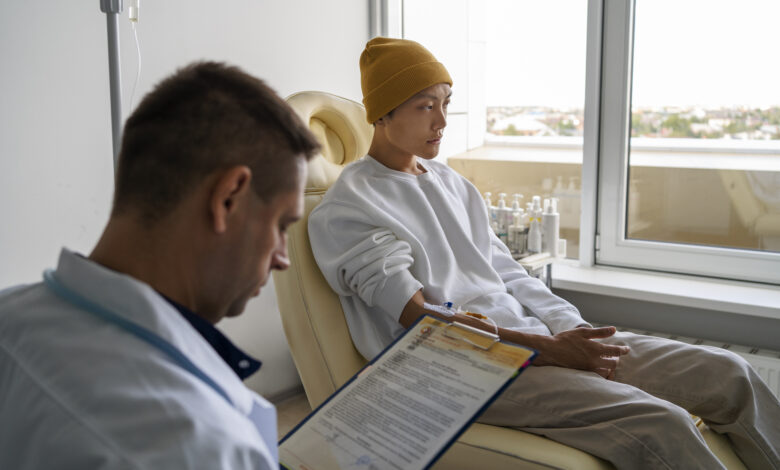
What Happens During a Chemotherapy Session
Chemotherapy sessions vary by drug, dose, and treatment schedule. A normal chemotherapy session may include:
Pre-Treatment Evaluation
Before each session, your care team checks vital signs, blood counts, and overall health to ensure it’s safe to proceed.
Infusion or Medication Intake
Drugs are administered via the chosen route. IV infusions may take minutes to hours, depending on the protocol.
Monitoring
Medical staff monitor for immediate reactions and manage side effects, such as nausea, allergic reactions, or changes in vital signs.
Post-Treatment Care
After treatment, you may be observed briefly before going home. Your team provides instructions for side-effect management and scheduling future sessions.
Common Side Effects of Chemotherapy
Because chemotherapy affects not only cancer cells but also healthy cells that divide quickly, side effects are common. Not everyone experiences all side effects, and their severity varies by drug and individual response.
Fatigue
One of the most common side effects, fatigue, can range from mild to severe and may persist for weeks after treatment.
Nausea and Vomiting
Anti-nausea medications help control symptoms, which have improved significantly with modern supportive care.
Hair Loss
Hair loss can occur with many chemotherapy drugs. Hair usually grows back after treatment ends.
Changes in Appetite
Taste changes, nausea, or mouth sores can affect eating patterns. Nutritional support is important.
Low Blood Counts
Chemotherapy can reduce white blood cells, red blood cells, and platelets, increasing infection risk, fatigue, and bleeding risk. Regular blood tests help monitor these changes.
Nerve or Sensory Changes
Some drugs can cause tingling or numbness in the hands and feet (peripheral neuropathy) that may improve after treatment.
Mucositis
Inflammation or sores in the mouth and digestive tract can occur. Good oral hygiene and medical support help manage discomfort.
How to Manage Side Effects
Communicate With Your Care Team
Always report new or worsening side effects. Early intervention prevents complications.
Use Supportive Medications
Anti-nausea drugs, pain relievers, growth factors (to boost blood counts), and hydration therapy are common supportive measures.
Maintain Nutrition and Hydration
Eating nutrient-rich foods and staying hydrated support energy levels. A dietitian can provide personalized guidance.
Rest and Self-Care
Balancing activity with rest helps manage fatigue. Gentle movement may also support overall well-being.
Monitor for Infections
Because immune function may be reduced, take precautions, such as avoiding sick contacts and promptly reporting fevers.
What to Expect During Recovery
Recovery from chemotherapy varies by regimen and individual health. Some people feel well between cycles, while others experience ongoing side effects.
Short-Term Recovery
Side effects usually improve within weeks after treatment ends. Hair regrowth, energy improvements, and normalized blood counts are common.
Long-Term Effects
Some effects, like neuropathy or cognitive changes (chemo brain), may persist longer but often improve with time and supportive care.
Follow-Up Care
Regular follow-up visits monitor:
- Blood counts
- Organ function
- Signs of recurrence
- Management of long-term side effects
Follow-up care is important for maintaining health after treatment.
FAQs
Is chemotherapy always necessary for cancer treatment?
Not always. Chemotherapy may be used alone or in combination with surgery, radiation, or targeted therapy, depending on the type and stage of cancer.
Can chemotherapy cure cancer?
Yes, in some cancers, chemotherapy can cure the disease. In others, it controls growth and spread, prolonging survival and reducing symptoms.
Will I lose my hair with chemotherapy?
Hair loss depends on the drug type and dose. Some drugs cause significant hair loss, while others cause minimal or none.
Can I work during chemotherapy?
Some people continue working during treatment, depending on side effects and job demands. Discuss your situation with your care team.
Is fatigue after chemotherapy normal?
Yes. Fatigue is a common side effect that can persist for weeks after treatment. Rest, nutrition, and support help manage it.
Conclusion
Chemotherapy remains an important part of cancer treatment for many people. Understanding how it works, the types of drugs used, the administration process, possible side effects, and the steps involved in recovery helps patients prepare emotionally and physically.
Chemotherapy affects everyone differently, but with supportive care, clear communication with your team, and self-care strategies, many people complete treatment successfully and maintain quality of life. If you have questions or concerns during your treatment journey, don’t hesitate to discuss them with your oncology care team as your comfort and safety are always a key priority.