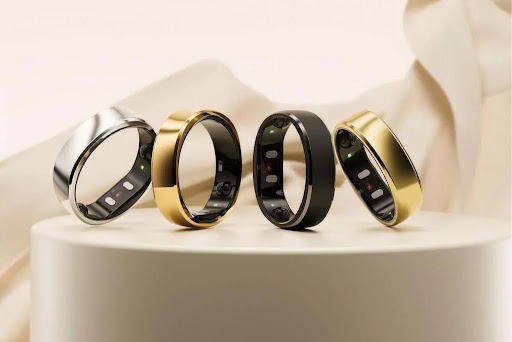
In recent years, wearable technology has rapidly evolved, shifting from bulky wristbands to sleek, discreet, and highly advanced devices. Among these modern innovations, the health monitoring ring has emerged as a powerful tool for individuals seeking deeper insights into their physical and mental well-being. Compact, stylish, and packed with intelligent features, these rings are transforming how we track our health in everyday life.
This article explores how health monitoring rings work, their key features, benefits, comparison with other wearables, and whether they are worth your investment.
What Is a Health Monitoring Ring?
A health monitoring ring is a small, smart wearable device designed to track various physiological metrics using sensors embedded inside the ring. Despite its minimalistic appearance, it is capable of measuring data such as:
- Heart rate
- Heart rate variability (HRV)
- Sleep patterns
- Body temperature
- Blood oxygen levels (SpO₂)
- Movement and activity levels
These metrics are then analyzed through a companion app, providing users with real-time insights and long-term trends.
How Does a Health Monitoring Ring Work?
1. Sensor Technology
Inside the ring are multiple biomedical sensors such as:
- PPG (Photoplethysmography) Sensors: Detect blood flow for heart-related metrics.
- Temperature Sensors: Track nightly or continuous body temperature changes.
- Accelerometers and Gyroscopes: Monitor movement, activity, and sleep stages.
- Infrared Sensors: Provide more accurate readings through the skin.
2. Data Transmission and Analytics
The collected data is transmitted to a smartphone app via Bluetooth. Advanced algorithms interpret this data, offering personalized insights on:
- Stress levels
- Sleep quality
- Daily readiness or recovery score
- Fitness efficiency and performance
3. Battery Efficiency
One of the biggest advantages of a ring over larger wearables is its small power consumption. Many models last 4–7 days on a single charge, making them extremely convenient for continuous health tracking.
Key Features of a Health Monitoring Ring
1. Continuous Heart Monitoring
These rings can track your heart rate all day without the discomfort of wristbands. They also provide HRV data, which reflects your body’s stress and recovery status.
2. Advanced Sleep Tracking
Health monitoring rings excel at analyzing sleep due to their stability on the finger compared to wrist devices. They can measure:
- Total sleep duration
- Sleep stages (light, deep, REM)
- Restlessness
- Nighttime temperature changes
3. Activity and Fitness Tracking
Although small, these rings accurately monitor:
- Steps
- Calories burned
- Exercise duration
- Movement intensity
They serve as lightweight alternatives to larger affordable fitness wearables, without compromising accuracy.
4. Temperature Tracking for Early Health Detection
Fluctuations in temperature can indicate:
- Stress
- Illness
- Hormonal changes
- Metabolic activity
Some rings even use temperature trends to predict menstrual cycles or detect early signs of fever.
5. Blood Oxygen (SpO₂) Levels
Tracking SpO₂ helps identify breathing patterns, sleep apnea risks, and oxygen efficiency during workouts.
Why Choose a Health Monitoring Ring Over a Smartwatch?
1. Comfort and Wearability
Rings are lightweight, discreet, and feel natural on the finger. They don’t interfere with workouts, sleep, or daily tasks.
2. Better Sleep Tracking
Since the ring remains stable during sleep, the sensors have less movement interference, leading to more accurate results.
3. Longer Battery Life
Most smart rings last significantly longer than smartwatches, allowing uninterrupted monitoring.
4. Stylish and Unobtrusive
Users who prefer minimal accessories find rings more appealing than bulky wrist devices.
Health Monitoring Ring vs. Affordable Fitness Wearables
The demand for affordable fitness wearables is increasing, with users seeking cost-effective ways to maintain a healthy lifestyle. Here’s how a health monitoring ring compares:
1. Accuracy
Rings often sit closer to blood vessels in the finger, allowing more precise heart and temperature readings compared to wrist devices.
2. Size and Comfort
Fitness bands are noticeable; rings are subtle. This makes rings ideal for long-term, 24/7 tracking.
3. Features
While many budget wearables focus mainly on steps and heart rate, rings usually offer advanced metrics like HRV, SpO₂, and detailed sleep analysis.
4. Price
Health monitoring rings are typically more expensive than entry-level fitness trackers. However, their accuracy and features justify the investment for users who prioritize deep health insights.
Who Should Use a Health Monitoring Ring?
1. Fitness Enthusiasts
Those looking to optimize workouts, recovery, and overall performance benefit greatly from HRV and readiness scores.
2. Sleep-Focused Users
People suffering from sleep issues or simply looking to improve sleep quality find the detailed sleep analytics extremely useful.
3. Busy Professionals
Its discreet design and long battery life make it perfect for individuals who dislike wearing obvious tech.
4. People Tracking Stress and Wellness
HRV, heart rate, and temperature metrics can provide valuable insights into stress levels and lifestyle balance.
5. Women Tracking Cycles
The ring’s temperature monitoring can help track cycles, fertility windows, and hormonal patterns.
Advantages of a Health Monitoring Ring
- Highly accurate biometric sensors
- Comfortable for long-term wear
- Strong focus on sleep and wellness metrics
- Stylish and minimalistic design
- Ideal for round-the-clock health tracking
Potential Limitations
- Can be more expensive than basic wearables
- Limited screen (no display)
- Must choose the correct ring size
- Some features vary across brands
Future of Health Monitoring Rings
Smart rings are expected to evolve rapidly, with future possibilities including:
- Blood glucose monitoring (non-invasive)
- More accurate stress detection
- Integration with medical systems
- Predictive health analytics
- AI-powered personalized wellness reports
As technology progresses, these rings may become essential tools for preventive healthcare.
Conclusion
The health monitoring ring is more than just a fashion accessory; it is a powerful health companion designed for those seeking deeper insights into their body’s performance and well-being. With advanced sensors, compact design, and long battery life, it surpasses many traditional wearables in accuracy and comfort.
While affordable fitness wearables remain popular for everyday tracking, health monitoring rings offer a more detailed, science-driven approach to wellness—making them a smart investment for individuals who want comprehensive, reliable, and continuous health insights.
If you’re looking for a modern, stylish, and highly effective way to monitor your health around the clock, a smart health ring may be the perfect fit.