A fall can happen in a single second, but the reasons behind it often stretch far longer.
The real question is not just what caused the fall, but who should have prevented it. Property owners have responsibilities that are easy to overlook until an accident exposes them.
Let’s look closely at why property owners can be responsible for slip and fall accidents, explaining the rules, responsibilities, and how knowing them can protect you.
1. Failing to Fix Known Hazards
Property owners are expected to notice hazards and take steps to correct them. When a spill is left unattended, a staircase becomes uneven, or a walkway cracks, the owner has a duty to repair or clearly mark the danger. Ignoring these hazards can make them directly responsible for injuries that follow. It is not enough to assume visitors will watch their step. Owners must act, and failing to do so opens the door to liability.
An experienced slip and fall attorney can help show how negligence in these cases leads to responsibility. In places like South Bend, where foot traffic can be heavy near downtown shops or university areas, minor issues like a wet floor or a broken handrail can have major consequences. Highlighting these overlooked hazards is often the first step in proving a property owner’s liability.
2. Lack of Regular Property Inspections
Hazards do not appear overnight. Property owners are expected to routinely inspect their premises. Skipped inspections, ignored warnings, or failure to maintain a checklist can make accidents inevitable. Without regular checks, a problem that could have been spotted early becomes a full-fledged risk. Courts and insurance companies consider these lapses when deciding responsibility. Owners cannot hide behind claims of ignorance if they fail to look for potential dangers.
3. Poor Maintenance and Repairs
Maintenance is more than a quick fix. Loose floorboards, worn carpets, and cracked pavements are not just unsightly—they are dangerous. Temporary fixes, half-repaired steps, or patched-up handrails do not meet the standard of care expected. Property owners must ensure that all repairs fully resolve hazards. Evidence of repeated maintenance issues or ignored repairs strengthens a slip and fall claim, demonstrating that the owner failed to protect those on their property.
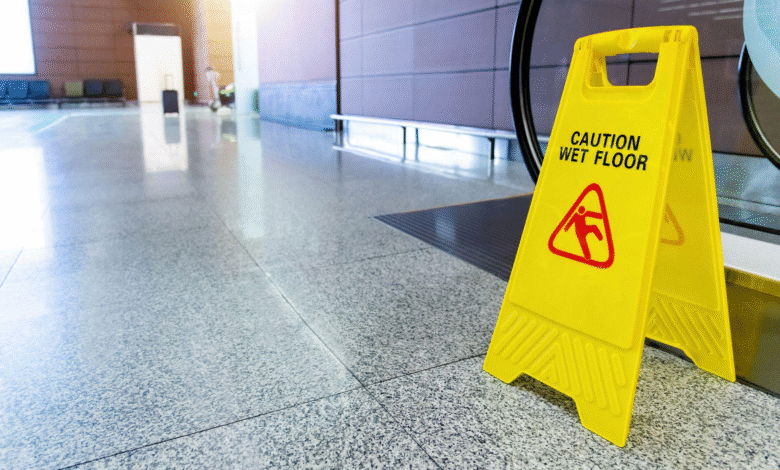
4. Wet or Slippery Floors Without Warning
A wet floor might seem obvious, but without a clear warning, it becomes a legal issue. Property owners are responsible for alerting visitors to temporary dangers like recently mopped floors, spills, or water tracked inside during rain. Wet conditions caused by weather, leaks, or plumbing issues also fall under the owner’s duty if they fail to take timely action. Simple signs can prevent accidents and protect owners from liability, but without them, responsibility often rests squarely on the property.
5. Inadequate Lighting
Light matters more than most people realize. Dim stairwells, poorly lit parking areas, and shadowy corridors can transform a routine walk into a hazard. Property owners must provide sufficient lighting to allow visitors to safely navigate spaces. Poor visibility increases the likelihood of falls, and failure to correct lighting issues can make the owner legally responsible for resulting injuries.
6. Failure to Follow Safety Codes
Building codes exist to protect everyone on a property. Missing handrails, incorrect stair dimensions, or improperly installed ramps violate these rules and create real risks. Courts often weigh safety code violations heavily when determining liability. Owners who ignore or bypass these requirements put themselves in a position where they are clearly responsible if someone falls.
7. Unsafe Outdoor Conditions
Slips are not limited to indoor spaces. Ice and snow, loose gravel, uneven sidewalks, or poorly maintained parking lots all pose risks. Property owners must take reasonable steps to address outdoor hazards, including timely snow removal, proper lighting, and clear walking paths. Failure to do so can directly contribute to accidents and assign liability to the property owner.
8. Not Warning Visitors About Temporary Risks
Even a short-term hazard can lead to serious injury. Construction zones, freshly waxed floors, or temporary debris require clear warnings. Barriers, signs, or staff supervision can reduce the risk and protect visitors. Property owners who do not alert people to these temporary dangers often find themselves responsible if an accident occurs. Clear communication is a simple but critical expectation.
9. Ignoring Past Complaints or Prior Incidents
History matters. If previous incidents or complaints about hazards have occurred on a property and the owner does nothing, liability increases. A repeated problem suggests the owner was aware of the risk but failed to act. Courts often see prior incidents as evidence of negligence, making it easier to hold the property owner responsible in new cases.
Evidence That Strengthens Responsibility
To establish responsibility, certain forms of evidence are crucial. While there are many elements, the strongest include:
- Photos of the accident scene and hazards.
- Maintenance records showing ignored issues.
- Witness statements confirming the hazard existed.
- Police or incident reports documenting the accident.
- Medical records showing the injuries align with the fall.
These pieces of evidence help an attorney build a clear case showing that the property owner had the ability and duty to prevent the accident.
How Understanding Responsibility Protects You?
Knowing why property owners can be responsible helps you act wisely after a fall. It is not just about pointing fingers. It is about documenting the hazard, understanding the legal standards, and ensuring your rights are protected. Consulting a slip and fall attorney early can make a significant difference in recovering compensation for injuries, lost wages, or medical bills. Local knowledge, such as familiarity with South Bend properties and regulations, helps attorneys handle cases efficiently and accurately.
Final Thoughts
Property owners are not automatically at fault for every slip and fall, but responsibility arises when hazards are ignored or not properly addressed. From wet floors to broken steps, poor lighting, and lack of warning signs, a range of oversights can make a property owner legally accountable. Recognizing these responsibilities is important for anyone navigating the aftermath of a fall.
If you or someone you know experiences a slip and fall in South Bend, reaching out to an experienced slip and fall attorney can help guide the process. They understand local regulations, property standards, and the steps needed to hold responsible parties accountable. Knowing your rights and taking the right actions early can make a difference in protecting your safety and securing fair compensation.