Olive Morris: The Fearless Voice of Black British Resistance
A Powerful Legacy of Courage, Community Leadership, and Revolutionary Change — Triumph Against Injustice, Yet a Life Tragically Cut Short

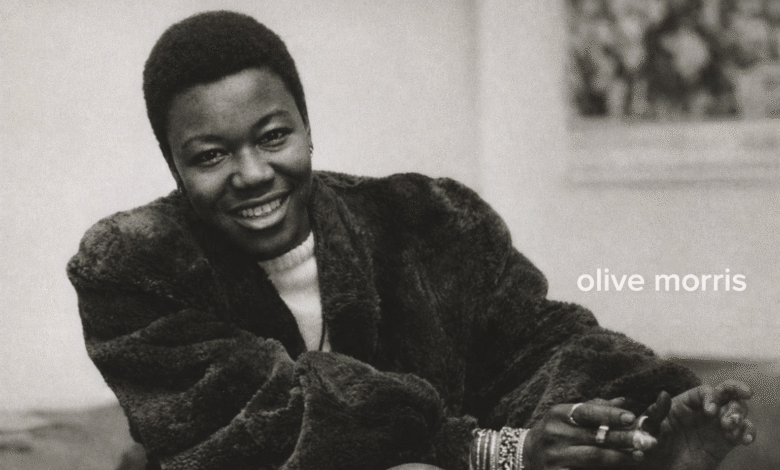
Olive Morris stands as one of the most influential yet historically underrepresented figures in Black British history. A fearless activist, community organiser, and feminist pioneer, olive morris dedicated her short life to confronting racism, sexism, housing inequality, and police brutality in 1970s Britain. Though she died at just 27, her work continues to inspire generations of activists, scholars, and community leaders across the United Kingdom and beyond.
The story of olive morris is both powerful and painful. It is a story of resistance against systemic oppression, but also one marked by struggle, state hostility, and personal sacrifice. Her activism helped shape the Black women’s movement in Britain, strengthened community organising in Brixton, and laid foundations for intersectional feminist politics that still resonate today.
Quick Bio
| Field | Details |
| Full Name | Olive Elaine Morris |
| Date of Birth | 26 June 1952 |
| Birthplace | Harewood, St Catherine, Jamaica |
| Date of Death | 12 July 1979 |
| Age at Death | 27 years |
| Nationality | Jamaican-born British |
| Ethnicity | Afro-Caribbean / Black British |
| Parents | Vincent Morris and Doris Morris (née Moseley) |
| Education | London College of Printing; Victoria University of Manchester (Economics and Social Science) |
| Known For | Black British activism, feminist organising, housing rights campaigns |
Early Life and Background of Olive Morris
Olive Morris was born in rural Jamaica in 1952 during a period of social and political transformation in the Caribbean. Her early childhood in Harewood, St Catherine, was shaped by strong family values and community bonds that would later influence her commitment to collective action and justice.
At the age of nine, she moved to South London to join her parents, who had migrated as part of the Windrush generation seeking better economic opportunities. Growing up in Brixton during the 1960s exposed olive morris to intense racial discrimination and social inequality. These experiences formed the foundation of her political consciousness and shaped her lifelong commitment to anti-racist activism.
Education and Political Awakening
Olive Morris attended local schools in South London but initially left without formal qualifications. However, her intellectual curiosity and determination led her to pursue further studies later in life. She enrolled at the London College of Printing and eventually studied Economics and Social Science at the Victoria University of Manchester.
Her political awakening began in her teenage years. At just 17, she intervened when police officers were assaulting a Nigerian diplomat in Brixton. She was beaten, racially abused, and arrested. This traumatic incident became a turning point. It solidified her resolve to challenge police brutality and institutional racism, issues that would remain central to her activism.
Involvement with the British Black Panthers
In the early 1970s, olive morris joined the British Black Panther Movement. This organisation, distinct from the American group but inspired by similar principles, focused on combating racism, improving housing conditions, and empowering Black communities in Britain.
Her involvement demonstrated her commitment to radical grassroots organising. She worked alongside other activists to address injustices faced by Black Britons, including discriminatory policing and employment barriers. While the movement faced surveillance and hostility from authorities, it provided olive morris with a platform to develop her leadership skills and sharpen her political analysis.
Housing Activism and the Brixton Community
Housing inequality was a major issue in 1970s Britain, particularly for Black families who were often denied fair access to council housing. Olive Morris became deeply involved in the squatters’ movement in Brixton, viewing it as both a necessity and a political statement against systemic injustice.
In 1973, she helped occupy 121 Railton Road, transforming it into a hub for community organising. The building became a space for political meetings, educational workshops, and support networks. Through this work, olive morris challenged discriminatory housing policies while creating tangible solutions for those in need. Her activism combined protest with practical action, making her approach both radical and community-focused.
Black Feminism and the Brixton Black Women’s Group
One of the most groundbreaking contributions of olive morris was her role in co-founding the Brixton Black Women’s Group. During a time when both mainstream feminism and anti-racist movements often overlooked Black women’s specific experiences, this group created a vital space for intersectional activism.
The organisation addressed issues such as healthcare access, immigration rights, childcare, and domestic violence. Olive morris understood that race, gender, and class oppression were interconnected. Her work helped shape what would later be recognised as Black British feminism, ensuring that Black women’s voices were not marginalised within broader social justice movements.
National Organising and OWAAD
In 1978, olive morris contributed to the founding of the Organisation of Women of African and Asian Descent (OWAAD). This national network connected Black and Asian women across the United Kingdom, strengthening solidarity and coordinated activism.
OWAAD represented a significant step forward in building collective power. Through conferences, publications, and campaigns, the organisation tackled structural inequalities affecting women of colour. Olive morris played a crucial role in fostering unity across communities while emphasising grassroots leadership and political education.
Illness and Tragic Death
In 1978, while travelling abroad, olive morris became seriously ill. After returning to London, she was diagnosed with non-Hodgkin lymphoma, an aggressive form of cancer. Despite medical treatment, her health deteriorated rapidly.
She passed away on 12 July 1979 at just 27 years old. Her death was a devastating loss to the movements she helped build. Yet even in tragedy, her influence endured. The brevity of her life contrasts sharply with the magnitude of her impact.
Legacy and Recognition
The legacy of olive morris has grown significantly in the decades following her death. Community groups, historians, and activists have worked tirelessly to preserve her memory and highlight her contributions to Black British history.
Buildings and community spaces in Lambeth have been named in her honour. She has been commemorated through cultural initiatives, academic research, and public recognition. Her story is increasingly included in discussions of British social history, feminism, and anti-racist struggle.
The Continuing Relevance of Olive Morris Today
The issues that olive morris fought against — police brutality, housing injustice, racial discrimination, and gender inequality — remain deeply relevant. Contemporary movements for racial justice often draw inspiration from the groundwork laid by activists like her.
Her life offers both a powerful example and a sobering reminder. It shows how one determined individual can spark transformative change, yet it also highlights the toll that systemic injustice can take on those who resist it. Olive morris remains a symbol of courage, resilience, and uncompromising commitment to equality.
Conclusion
Olive morris was not a celebrity, a politician, or a wealthy entrepreneur. She was something far more enduring: a community revolutionary whose work reshaped Black British activism. Her fearless confrontation of injustice created spaces for empowerment, education, and solidarity that continue to influence social movements today.
Though her life ended tragically early, her legacy stands as a powerful testament to the impact of grassroots leadership. Olive morris transformed struggle into strength and oppression into organised resistance. Her name remains a beacon of hope in the ongoing pursuit of justice.
Frequently Asked Questions (FAQ)
Who was olive morris?
Olive morris was a Jamaican-born British activist known for her leadership in the Black British movement, feminist organising, and housing rights campaigns during the 1970s.
What was olive morris famous for?
She is best known for co-founding the Brixton Black Women’s Group and contributing to national organising efforts for women of African and Asian descent.
Where was olive morris born?
She was born in Harewood, St Catherine, Jamaica, on 26 June 1952.
How did olive morris die?
She died from non-Hodgkin lymphoma on 12 July 1979 at the age of 27.
Why is olive morris important in British history?
Her activism helped shape Black British feminism, housing justice movements, and anti-racist organising, leaving a lasting legacy in social justice history.
What is olive morris’s legacy today?
She is commemorated through buildings, community initiatives, and academic research. Her life continues to inspire activists fighting for racial and gender equality.